How to Keep a Porta Potty From Smelling in Summer Heat
Heat speeds up odor in a porta potty. Gulf Coast highs sit in the low 90s °F from June through September, with high humidity. The fixes are simple: service twice a week for crews of 10 or more in July and August, place units in shade, and keep the door shut and the vent clear.
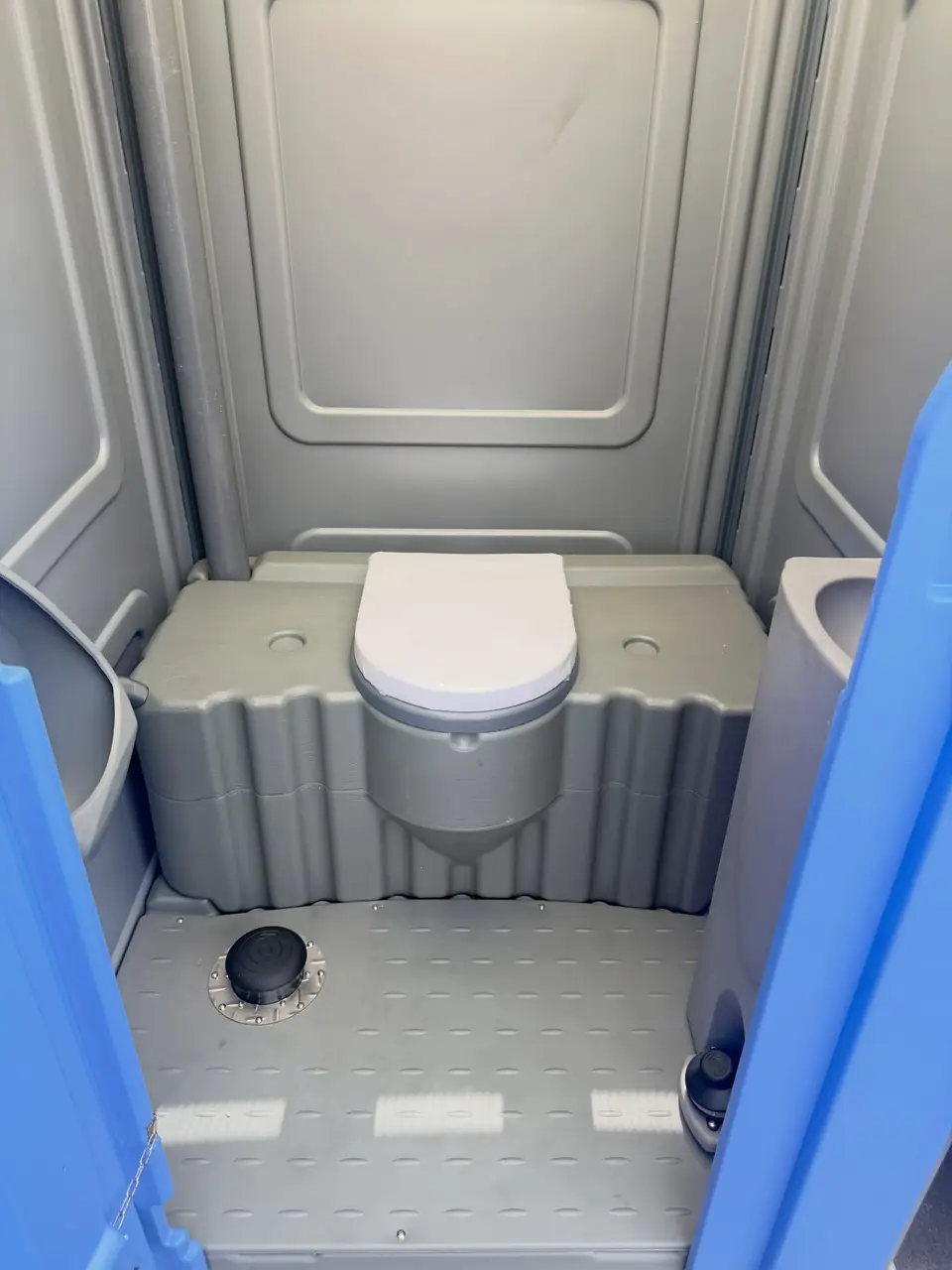
Why do porta potties smell worse in summer?
Porta potties smell worse in summer because heat speeds up the breakdown of waste in the tank. On the Gulf Coast, June through September highs reach the low 90s °F with heavy humidity. A unit in full sun can run much hotter inside than the air, and the deodorizer in the tank wears out faster.
Humidity adds to it. Damp air holds smell close to the ground and keeps the inside of the unit sticky. A full tank makes everything worse, since waste sits closer to the seat.
Odor is a sign of 3 things: too many users for the service schedule, too much sun, or a blocked vent. Each one has a fix.
How often should a porta potty be serviced in summer?
A porta potty should be serviced twice a week in July and August when 10 or more workers share it. Once a week is standard and works for small crews or light use. Each service pumps the tank, washes and disinfects the unit, adds fresh deodorizer, and restocks paper and sanitizer.
Extra visits cost $45 per unit per visit. For a 15-person crew, that second weekly visit costs less than lost time from workers driving to a gas station.
Events work differently. Units arrive clean, and single-day events need no mid-event service. Multi-day festivals in summer should plan a mid-event service or extra units. Full numbers are in the porta potty rental cost guide. Jobsite plans are covered under construction porta potty rental.
Where should a porta potty sit to stay cooler?
A porta potty stays cooler in shade, such as the north side of a building, under a tree line, or beside a trailer. Keep it off black asphalt when you can, since pavement holds heat. The service truck still needs to park within about 30 ft of the unit for weekly service.
Do not tuck the unit so tight against a wall that air cannot move. The roof vent needs open air above it.
- Face the door away from the afternoon sun if you can.
- Keep it out of low spots where summer storms leave standing water.
- Avoid placing it under a tree that drops sap or limbs.
More tips are in where to place a porta potty.
What can renters do between service visits?
Renters can cut odor between service visits with 4 habits: keep the door shut, keep the lid down, keep trash out of the tank, and report a full unit early. Bottles, rags and food wrappers soak up the deodorizer and make pumping harder. A lid down traps smell inside the tank.
Put a trash can next to the unit, not inside it. Workers will drop lunch trash in the toilet if there is nowhere else to put it.
Extra toilet paper helps too. Humid air dampens paper rolls, and a unit out of paper gets misused. Keep a spare pack in the job trailer and restock between visits.
How does porta potty access fit into crew heat safety?
OSHA's heat guidance rests on 3 basics: water, rest and shade. Workers who drink water often need a nearby restroom, so a clean unit close to the work supports hydration. OSHA also says new workers need time to adjust to heat, with shorter shifts and frequent breaks in the first few days.
The OSHA water, rest and shade guide says workers should drink water often, not only when thirsty. Crews avoid drinking if the only restroom is a long walk or smells too bad to use. That is a real heat risk.
OSHA's heat exposure page also lists a National Emphasis Program on heat hazards. Pair each unit with a hand-washing station so workers can rinse their face and hands on break.
When should you upgrade to a flushing unit or restroom trailer?
Upgrade to a deluxe flushing unit when guests expect a sink and a cleaner look, such as at a summer wedding or office event. Choose a restroom trailer when you have power and water within about 100 ft. Trailers offer A/C, lights and porcelain toilets, which matter most in July heat.
A deluxe flushing porta potty has a fresh-water flush and a foot-pump sink. The tank stays out of sight, which helps with smell.
A restroom trailer needs a standard garden hose and one 110-volt, 20-amp outlet. A generator and fresh-water tank are available for sites without hookups.